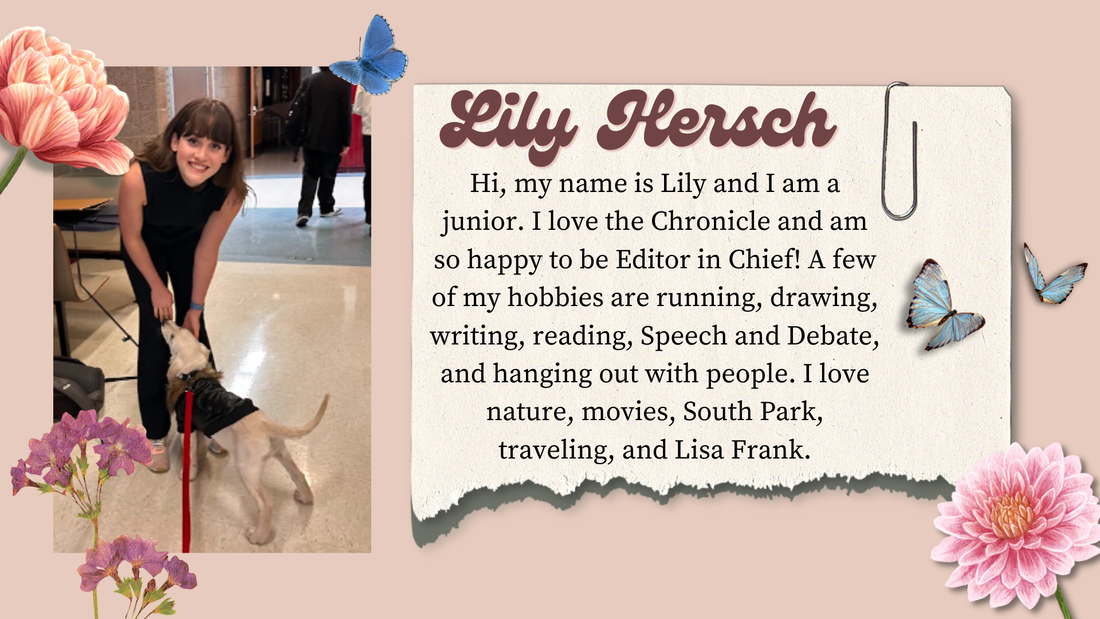
About the Editor:

NATIONAL
|
The Padentic, Pathetic and Powerless Pedestrian Crosswalk Despite Draper being a city of good faith, the pedestrian crosswalk built by the roundabout a few months ago was a project sent from Hell. It was a nice thought, but according to my judgment, the only good that has come out of it is just a few seniors on their recumbent trikes being a little less likely to be hit by a car. Just a few.
I would like to think the majority of people can handle going in a roundabout; you yield, wait till it’s clear, and go. Fairly straightforward. But I think maybe only Europeans can. If I had a dollar for every time there was a crash BEFORE the crosswalk was built, I wouldn’t need to work a minimum wage job. If I had a dollar for every time there was a crash AFTER the crosswalk was built, my friends wouldn’t need to work minimum wage jobs either because I’d be their sugar mama. So, what’s the problem with the walkway? It causes a delay in traffic that not only stops the roundabout, but often the roads surrounding it. This didn’t happen before the pedestrian street light was added to the crosswalk, as it goes off long after the cross country kids have finished crossing (pun) it. The honking isn’t too bad, but when people start rear-ending others and smashing into the yield signs two-fold since the streetlight was implemented, it’s not particularly convenient. “There is a definite need for a flashing crosswalk, however, the new one stops traffic for a full minute. Pedestrians only need this for about 10 or 15 seconds. This clogs up the entire roundabout and has become a traffic hazard in itself, as well as cars running the red light after they think all the pedestrians have passed. This is now a hazard for bicyclists.” Comments Oliver Hersch, minivan enthusiast and daily bike commuter. The walkway was built a few months ago; unfortunately, I wasn’t able to find the exact date it was finished. Though, in my search, I found a YouTube video published by Draper City where officer Rulon Green (also the police officer who gave me a speeding ticket back in August) explains how to use the roundabout as there have been a few crashes. Since the video only has about 330 views, it’s safe to assume that the 51,000 people in Draper have not been informed of this roundabout safety information. What do we do? Input a more efficiently timed streetlight. Traffic will move as it did prior in the roundabout since there is no extra waiting. It was a nice thought Draper City, but pedestrian danger destroyed? All this has done…is give people hemorrhoids. POSTED 5/13 
Draper Journal
HOSA BioTechBY DEANNA ARUTYUNYAN
TRENDING EDITOR Given that this event took place a staggering two weeks ago, it remains a cherished memory that I hold dear. It was an extraordinary encounter that I am eager to recount and impart to the aspiring entrepreneurs, with the hope of inspiring the students at Corner Canyon. Prepare yourself for an awe-inspiring experience as I delve into the remarkable CEOs that the HOSA students had the privilege of meeting. If you are seeking invaluable startup advice for your business or yearning for a dose of motivation towards success, particularly in the realms of science and technology, then this article is tailor-made for you. First and foremost, I would like to express my gratitude to Kelly Jones and the Vice Principals for granting Corner Canyon students the opportunity to attend this event. It was a unique experience for us as the sole school present, and it is truly remarkable that young individuals with an interest in health were able to listen to CEOs share insights about their success and business strategies, as well as gain valuable advice on how to navigate our future paths. Engaging with these entrepreneurs and delving deeper into the realm of Bio-Tech was an invaluable experience. I am sincerely thankful for the chance to meet these remarkable individuals and indulge in the delicious food provided. Let's delve into the realm of business and explore the valuable advice provided by these remarkable businesses on how to start our own ventures and revolutionize the fields of health and technology. Additionally, we will discover our own aspirations for the future. Firstly, I would like to introduce an extraordinary individual I had the pleasure of meeting, Orly Alter. She holds the position of Chief Scientific Officer at the University of Utah and is a Co-Founder of Prism Ai. Allow me to provide some background information on Prism Ai. Prism AI serves as an operating system for drug development and biomarker discovery. It offers a cutting-edge platform for biotech companies and health systems, utilizing AI-driven clinical multi-omic data management and analytics. This empowers them to unlock the potential of their own data and pave the way for the next generation of drugs and therapeutics biomarkers. During our conversation, Orly expressed her profound passion for coding and healthcare. She aspired to merge these two interests. However, what truly inspired her was the desire to make a positive impact on the world. She emphasized the significance of discovering one's true calling in order to take meaningful steps in their career. By pursuing what you love, you have the ability to contribute to the betterment of society. Ian Quigley, the Co-founder and CEO of Leash Biosciences, is revolutionizing medicinal chemistry by leveraging extensive data and an overwhelming amount of biochemistry. By utilizing machine learning and an extraordinary level of biochemistry throughput, the company aims to discover potent, selective, and safe drug-like molecules for a wide range of diseases. Ian expressed his motivation to embark on this journey, highlighting his inspiration from the advancements in technology and his desire to enhance the field of medicine. I conversed with numerous other organizations, including Peel Therapeutics and Bio-Hive. These companies shared with me their dedication to enhancing and unifying the field of medicine. Collaborating to fortify medicine as a cohesive and formidable entity. Thank you once more to all the administrators who permitted me and my fellow students to partake in this incredible field trip. Following is a dialogue with four other CEOs, which I highly suggest if you seek further insight into inspiration and entrepreneurship. I trust this article has imparted some knowledge or instilled motivation in you to pursue your aspirations. POSTED 5/7 |
Ten Worst Car Pileups From Across the Globe- Ochten, the Netherlands
October 1991 150 vehicles Heavy fog was responsible for this 150 multi-car collision on the A15 Motorway in the Netherlands. 64 people were injured and one was killed. - Worcestershire, England March 10, 1997 160 vehicles England is known for fog, and a veil of it was responsible for this early morning 160-car pileup. The initial crash was caused by a truck rear-ending a tanker, with resulting passenger cars crashing behind them. 25 ambulances arrived to rush victims to the hospital, and five air ambulances were brought in for the seriously injured. - Hendersonville, Tennessee December 1, 2011 176 vehicles Just outside Nashville, heavy fog caused three separate chain reactions, leading to one very large pileup. The accident stretched for over two miles, killing one person and injuring an additional 16. A school bus was among the wreckage, but thankfully no children were seriously injured. credit: Lowman Law Firm 
Dallas Morning News
Benefits of HOSA

credit: HOSA - Future Health Professionals
|
